As much as you would probably like to think that alcohol doesn't count toward calories... it does! Ugh. But since it does, it helps to get an idea of how many calories we're talking about and serving sizes. Typically 1 alcohol choice, or 1/2 oz absolute alcohol, has about 100 calories. As annoying as this may sound, recommended daily limits are 1 serving or less of alcohol for women, and 2 or less for men. Wait, men can drink more?! Yes. A word of caution: alcohol should always be consumed with food to reduce your risk of hypoglycemia, aka low blood sugar, which can occur from the carbohydrate content in mixed drinks, beer and wine. Also, keep in mind that mixed drinks such as margaritas, cosmos and gin and tonics have other calorie and sugar containing liquids that increase carbohydrate content and therefore calories. Let's take a closer look:
Overview and examples:
- 12 oz light beer (4.2% ), (also counts as ½ a carbohydrate serving)
- 12 oz regular beer (4.9%), also counts as 1 carbohydrate serving)
- 1 ½ oz distilled spirits: vodka, rum, gin, whiskey 80 or 86 proof
- 1 oz coffee liqueur, 53 proof (also counts as 1 carbohydrate serving)
- 2 oz sake
- 3 ½ oz dessert wine (also counts as 1 carbohydrate serving)
- 5 oz dry red or white wine
Well, that's a wrap for the exchange list!
Thanks for reading!
Jessica
For our next group of foods, we're going to focus on fats. There are three different groups of fats: unsaturated (further classed into omega-3, monounsaturated and polyunsaturated), saturated, and trans fats. Regardless of type of fat, a choice from each category has about 5 grams of fat and 45 calories. Some types are good for your health, some are not. So here's the skinny on fat:
Overview and Examples:
Unsaturated fats are mostly from vegetables, liquid at room temperature, and have positive health benefits.
- Omega-3 fats are polyunsaturated and can lower triglyceride levels and risk for heart disease. Examples are fish, flaxseeds, walnuts, canola oil, soybean oil, flaxseed oil, and walnut oil (see polyunsaturated category for portions, denoted by *).
- Monounsaturated fats help lower cholesterol levels and may help raise HDL (high density lipoprotein, good cholesterol) levels.
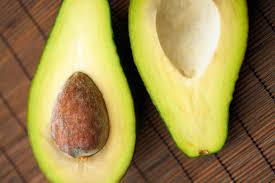
- 2 T avocado
- 1 ½ tsp nut butter
- 6 almonds
- 2 brazil nuts
- 6 cashews
- 5 hazelnuts
- 3 macadamia nuts
- 10 peanuts
- 16 pistachios
- 4 halves of pecans
- 1 tsp olive, canola or peanut oil
- 8 large black ripe olives or 10 large green stuffed olives
- Polyunsaturated fats can help lower cholesterol levels.
- 1 T lower-fat margarine
- 1 tsp stick margarine
- 1 T reduced fat mayonnaise
- 1 tsp regular mayonnaise
- 4 halves of walnuts*
- 1 T pine nuts
- 1 tsp corn, cottonseed, flaxseed*, grape seed, safflower, soybean* or sunflower oil
- 2 T reduced-fat salad dressing
- 1 T regular salad dressing
- 1 T whole flaxseeds*
- 1 T pumpkin or sunflower seeds
- 2 tsp Tahini or sesame paste
Saturated fats are solid at room temperature and unfortunately are directly linked with heart disease and can raise LDL (low density lipoprotein, or bad cholesterol). These should be limited in the diet.
- 1 slice bacon
- 1 T reduced-fat butter
- 1 tsp stick butter
- 2 tsp whipped butter
- 2 T sweetened and shredded coconut
- ⅓ c light coconut milk
- 1 ½ T regular coconut milk
- 2 T half and half
- 1 T heavy cream
- 1 ½ T light cream
- 2 T whipped cream
- ¼ c pressurized whipped cream
- 1 ½ T reduced-fat cream cheese
- 1 T regular cream cheese
- 1 tsp lard
- 1 tsp coconut, palm and palm kernel oil
- 1 tsp solid shortening
- 3 T reduced-fat sour cream
- 2 T regular sour cream
Trans fats are made by processing that changes vegetable oils into semi-solid fats. They can raise blood cholesterol levels and should be limited in the diet. They are found naturally occurring in some animal products including meat, cheese, butter, and dairy products. Partially hydrogenated and hydrogenated fats are man-made trans fats and should be eliminated or avoided from the diet. FYI: the food industry allows foods that have less than 0.5 g of trans fats per serving to be labeled as having zero grams of trans fat. Hmmm. Stick with non-processed foods to be safe and read your labels! They have to label it in the ingredient list, even if it seems not to show up in the nutrition facts label.
Okay, last but not least... alcohol!

