Friday, August 7, 2015

Spotlight: Alcohol

As much as you would probably like to think that alcohol doesn't count toward calories... it does! Ugh. But since it does, it helps to get an idea of how many calories we're talking about and serving sizes. Typically 1 alcohol choice, or 1/2 oz absolute alcohol, has about 100 calories. As annoying as this may sound, recommended daily limits are 1 serving or less of alcohol for women, and 2 or less for men. Wait, men can drink more?! Yes. A word of caution: alcohol should always be consumed with food to reduce your risk of hypoglycemia, aka low blood sugar, which can occur from the carbohydrate content in mixed drinks, beer and wine. Also, keep in mind that mixed drinks such as margaritas, cosmos and gin and tonics have other calorie and sugar containing liquids that increase carbohydrate content and therefore calories. Let's take a closer look:


Overview and examples: 
  • 12 oz light beer (4.2% ), (also counts as ½ a carbohydrate serving)
  • 12 oz regular beer (4.9%), also counts as 1 carbohydrate serving)
  • 1 ½ oz distilled spirits: vodka, rum, gin, whiskey 80 or 86 proof
  • 1 oz coffee liqueur, 53 proof (also counts as 1 carbohydrate serving)
  • 2 oz sake
  • 3 ½ oz dessert wine (also counts as 1 carbohydrate serving)
  • 5 oz dry red or white wine
Well, that's a wrap for the exchange list!  

Thanks for reading!

Jessica

Thursday, August 6, 2015

Spotlight: Fats

For our next group of foods, we're going to focus on fats. There are three different groups of fats: unsaturated (further classed into omega-3, monounsaturated and polyunsaturated), saturated, and trans fats.  Regardless of type of fat, a choice from each category has about 5 grams of fat and 45 calories. Some types are good for your health, some are not. So here's the skinny on fat:


Image result for coconut oil
Image result for avocado   
Image result for walnuts


Overview and Examples: 
 
Unsaturated fats are mostly from vegetables, liquid at room temperature, and have positive health benefits. 
  • Omega-3 fats are polyunsaturated and can lower triglyceride levels and risk for heart disease.  Examples are fish, flaxseeds, walnuts, canola oil, soybean oil, flaxseed oil, and walnut oil (see polyunsaturated category for portions, denoted by *).

  • Monounsaturated fats help lower cholesterol levels and may help raise HDL (high density lipoprotein, good cholesterol) levels. 
    •  2 T avocado
    • 1 ½ tsp nut butter
    • 6 almonds
    • 2 brazil nuts
    • 6 cashews
    • 5 hazelnuts
    • 3 macadamia nuts
    • 10 peanuts
    • 16 pistachios
    • 4 halves of pecans
    • 1 tsp olive, canola or peanut oil
    • 8 large black ripe olives or 10 large green stuffed olives

  • Polyunsaturated fats can help lower cholesterol levels.
    •  1 T lower-fat margarine
    • 1 tsp stick margarine
    • 1 T reduced fat mayonnaise
    • 1 tsp regular mayonnaise
    • 4 halves of walnuts*
    • 1 T pine nuts
    • 1 tsp corn, cottonseed, flaxseed*, grape seed, safflower, soybean* or sunflower oil
    • 2 T reduced-fat salad dressing
    • 1 T regular salad dressing
    • 1 T whole flaxseeds*
    • 1 T pumpkin or sunflower seeds
    • 2 tsp Tahini or sesame paste

Saturated fats are solid at room temperature and unfortunately are directly linked with heart disease and can raise LDL (low density lipoprotein, or bad cholesterol). These should be limited in the diet.
  • 1 slice bacon
  • 1 T reduced-fat butter
  • 1 tsp stick butter
  • 2 tsp whipped butter
  • 2 T sweetened and shredded coconut
  • ⅓ c light coconut milk
  • 1 ½ T regular coconut milk
  • 2 T half and half
  • 1 T heavy cream
  • 1 ½ T light cream
  • 2 T whipped cream
  • ¼ c pressurized whipped cream
  • 1 ½ T reduced-fat cream cheese
  • 1 T regular cream cheese
  • 1 tsp lard
  • 1 tsp coconut, palm and palm kernel oil
  • 1 tsp solid shortening
  • 3 T reduced-fat sour cream
  • 2 T regular sour cream

Trans fats are made by processing that changes vegetable oils into semi-solid fats. They can raise blood cholesterol levels and should be limited in the diet. They are found naturally occurring in some animal products including meat, cheese, butter, and dairy products. Partially hydrogenated and hydrogenated fats are man-made trans fats and should be eliminated or avoided from the diet. FYI: the food industry allows foods that have less than 0.5 g of trans fats per serving to be labeled as having zero grams of trans fat. Hmmm. Stick with non-processed foods to be safe and read your labels! They have to label it in the ingredient list, even if it seems not to show up in the nutrition facts label.

Okay, last but not least... alcohol!  

Monday, July 27, 2015

Spotlight: Meat and Meat Substitutes

Protein! Eat more Protein! I'm sure you've heard that, and while proteins are essential building blocks of life- human and animal in particular- most people get more than enough protein in the day. Ever wondered how protein measures up, and how much protein is in meat compared to beans, compared to fish, compared to cheese, etc.? Here's a breakdown for you. There are four categories of protein based on fat content and plant or animal source: lean, medium fat, high fat, and plant-based (vegetarian). Generally speaking, 1 oz of protein has 7 grams of protein, 0 grams of carbohydrates, and varying amounts of fat and therefore calories. 

 Image result for steak          Image result for garbanzo beans

Lean Meat Overview and Examples: 
*1 oz = 7 grams of protein, 0-3 grams of fat, 45 calories

  • 1 oz beef (select or choice grades trimmed of fat, ground round, roast, round, sirloin, steak, tenderloin)
  • 1 oz beef jerky
  • 1 oz cheese with 3 g fat or less
  • ¼ c cottage cheese
  • ¼ c egg substitutes
  • 2 egg whites
  • 1 oz fish (fresh, frozen or smoked)
  • 1 oz game (buffalo, ostrich, rabbit, venison)
  • 1 hot dog with 3 g fat or less, lamb
  • 1 oz organ meats (heart, kidney, liver)
  • 6 medium fresh or frozen oysters
  • 1 oz lean pork (Canadian bacon, rib or loin chop/ roast, ham, tenderloin)
  • 1 oz poultry without skin
  • 1 oz processed sandwich meats with 3 g fat or less (chipped beef, deli thin-sliced meats, turkey, ham, turkey kielbasa, turkey pastrami)
  • 1 oz canned salmon or sardines
  • 2 sausages with 3 g fat or less
  • 1 oz shellfish
  • 1 oz canned tuna
  • 1 oz veal (loin chop, roast)

Medium Fat Meat Overview and Examples:
*1 oz = 7 grams of protein, 4-7 grams of fat, 75 calories

  • 1 oz beef (corned, ground, meatloaf, Prime grades trimmed of fat, short ribs, tongue)
  • 1 oz cheese with 4-7 g fat/ 1 oz (feta, mozzarella, pasteurized processed cheese spread, reduced-fat cheese, string)
  • 1 egg
  • 1 oz fried fish
  • 1 oz lamb (ground, rib roast)
  • 1 oz pork (cutlet, shoulder roast)
  • 1 oz poultry (chicken with skin, wild duck, goose, fried chicken, ground turkey)
  • 1 oz sausage with 4-7 g fat/ 1 oz
  • 2 ½ oz or ¼ c ricotta cheese
  • 1 oz veal cutlet without breading


High Fat Meat Overview and Examples:
*1 oz = 7 grams of protein, 8+ grams of fat, 100 calories

  • 2 slices pork bacon
  • 3 slices turkey bacon
  • 1 oz cheese (American, blue, brie, cheddar, hard goat, Monterey jack, queso, and Swiss)
  • 1 beef or pork hot dog
  • 1 turkey or chicken hot dog
  • 1 oz pork (ground, sausage,spareribs)
  • 1 oz processed sandwich meats with 8 g fat or more/ 1 oz (bologna, pastrami, hard salami)
  • 1 oz sausage with 8 g fat or more/ 1 oz (bratwurst, chorizo, Italian, knockwurst, Polish, smoked, summer)

Plant-Based Protein Overview and Examples: 
  • ⅓ c baked beans = 1 starch + 1 lean meat
  • ½ c cooked plain beans = 1 starch + 1 lean meat
  • ½ c Edamame = ½ carbohydrate + 1 lean meat
  • 3 2” falafels = 1 carbohydrate + 1 high-fat meat
  • ⅓ c hummus = 1 carbohydrate + 1 high-fat meat
  • ½ c lentils = 1 carbohydrate + 1 lean meat
  • 3 oz soy-based meatless burger = ½ carbohydrate + 2 lean meats
  • 1 patty meatless burger, vegetable/ starch based = 1 carbohydrate + 2 lean meats
  • 2 soy-based “chicken” nuggets = ½ carbohydrate + 1 medium fat meat
  • 1 T nut butter = 1 high-fat meat
  • ½ c cooked black-eyed and split peas = 1 starch + 1 lean meat
  • ¼ c Tempeh = 1 medium-fat meat
  • 4 oz tofu = 1 medium-fat meat
  • ¾ oz soy nuts = ½ carbohydrate + 1 medium-fat meat

    Next Up.... Fats!

Sunday, July 26, 2015

Spotlight: Nonstarchy Vegetables

Have you ever heard people say, "I'm avoiding carbs, so I'm going to have a salad."? Did you realize that statement is inaccurate? Yes, there are two classes of vegetables when it comes to nutrition content- starchy (corn, peas, potatoes- discussed in a previous post), and nonstarchy. But did you realize nonstarchy vegetables have carbohydrates too? It's just in smaller amounts than starchy vegetables.  Per serving, nonstarchy vegetables have about 5 grams of carbohydrates, 2 g of protein and 25 calories. 


Vegetable Overview
  • 1/2 cup cooked
  • 1 cup raw
Examples 
  • amaranth
  • artichoke (and hearts)
  • asparagus
  • green beans
  • beets
  • broccoli
  • Brussels sprouts
  • cabbage
  • carrots
  • cauliflower
  • celery
  • cucumber
  • eggplant
  • green onions/ scallions
  • greens (collard, kale, mustard, turnip)
  • hearts of palm
  • jicama
  • leeks
  • mushrooms
  • okra
  • onions
  • radishes
  • pea pods
  • peppers
  • rutabaga
  • sauerkraut
  • spinach
  • squash (summer, zucchini)
  • sugar pea snaps
  • swiss chard
  • tomato
  • turnips
Next on the list, meat and meat substitutes!

Sunday, July 19, 2015

Spotlight: Sweets, Desserts, and Other Carbohydrates

So there are a lot (A LOT) of foods that fall under this category. It's likely the stuff you crave, and because of that this is also the stuff that the food industry markets to you in all kinds of different ways and packages to make you feel less guilty about succumbing to those darn cravings. So just to get our wits about us when it comes to sweets, desserts and other carbohydrate treats, here's a comprehensive list of the stuff you really should be limiting (we're not talking whole-foods here). This is where sugar, sodium, fat and calories can sneak up on us. Keep in mind that each serving listed below is equal to 15 grams of carbohydrates, but the fat, protein and calorie content will vary widely.
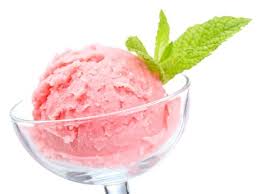
Image result for ice cream 


Image result for nilla wafers


½ c Cranberry juice cocktail = 1 carbohydrate
1 can (8.3 oz) Energy drink = 2 carbohydrates
1 c (8 oz) fruit drink or lemonade = 2 carbohydrates
1 can (12 oz) soda, regular = 2 ½ carbohydrates
1 c (8 oz) sports drink = 1 carbohydrate
1 ¼ “ square brownie = 1 carbohydrate + 1 fat
2” square frosted cake = 2 carbohydrates + 1 fat
2" square unfrosted cake = 1 carbohydrate + 1 fat
2 small chocolate chip cookies = 1 carbohydrate + 2 fats
3 gingersnap cookies = 1 carbohydrate
2 small sandwich cookies with creme filling = 1 carbohydrate + 1 fat
3 small or 1 large sugar free cookie = 1 carbohydrate + 1-2 fats
5 vanilla wafers = 1 carbohydrate + 1 fat
1 small frosted cupcake = 2 carbohydrates + 1- 1 ½ fats
⅛ of 8” pumpkin or custard pie = 1 ½ carbohydrates + 1 ½ fats
½ cup regular pudding = 2 carbohydrates
½ cup sugar free pudding = 1 carbohydrate
½ cup sugar and fat free pudding = 1 carbohydrate
2 fun size candy bars (chocolate/ nut) = 1 ½ carbohydrates + 1 ½ fats
3 pieces hard candy = 1 carbohydrate
5 chocolate “kisses” = 1 carbohydrate + 1 fat
2 T liquid flavored coffee creamer = 1 carbohydrate
1 roll chewy fruit snacks = 1 carbohydrate
1 ½ T fruit spread (100% fruit) = 1 carbohydrate
1 T honey = 1 carbohydrate
1 T jam or jelly (regular) = 1 carbohydrate
1 T sugar = 1 carbohydrate
2 T chocolate syrup = 2 carbohydrates
2 T light pancake syrup = 1 carbohydrate
1 T regular pancake syrup = 1 carbohydrate
3 T BBQ sauce = 1 carbohydrate
¼ cup jelly cranberry sauce = 1 ½ carbohydrates
3 T salad dressing (fat-free, low fat) = 1 carbohydrate
1 “ slice banana nut bread = 2 carbohydrates + 1 fat
1 glazed donut (3 ¼ “ across) = 2 carbohydrates + 2 fats
¼ 4 oz muffin = 1 carbohydrate + ½ fat
2 ½ oz danish/ sweet roll = 2 ½ carbohydrates + 2 fats
1 frozen pop = ½ carbohydrate
1 100% fruit juice frozen bar = 1 carbohydrate
½ cup regular ice cream = 1 carbohydrate + 2 fats
½ cup no sugar added ice cream = 1 carbohydrate + 1 fat
½ cup light ice cream = 1 carbohydrate + 1 fat
½ cup fat free ice cream = 1 ½ carbohydrates
½ cup sherbert = 2 carbohydrates
⅓ fat free frozen yogurt = 1 carbohydrate
½ cup regular frozen yogurt = 1 carbohydrate + 0-1 fat
1 granola bar = 1 ½ carbohydrates
1 meal replacement bar = 1 ½ carbohydrates + 0-1 fat
1 can meal replacement shake = 1 ½ carbohydrates + 0-1 fat
1 oz candy/ nut based trail mix = 1 carbohydrate + 2 fats
1 oz dried fruit based trail mix = 1 carbohydrate + 1 fat

Phew! Next is non-starchy vegetables.